MEET THE GOOGLE.ORG IMPACT CHALLENGE: AI FOR GOVERNMENT INNOVATION RECIPIENTS
Transforming public services to better serve communities
The Google.org Impact Challenge: AI for Government Innovation is a $30M global initiative to help governments use AI to improve public services. Through the Challenge, Google.org selected mission-driven organizations—including nonprofits, social enterprises, and academic institutions—partnering with governments to address critical community needs using AI. Beyond funding, recipients will receive dedicated pro bono technical support from Google AI experts through a multi-month Google.org Accelerator to bring their projects to life.
Focus areas
We sought proposals leveraging generative and agentic AI to help governments address societal challenges across health, resilience, and the economy. Each organization's work aligned directly with one of these key focus areas.
-
Health
Enhance public systems so more effective healthcare services can reach all citizens, regardless of location.
-
Resilience
Empower communities to plan, respond, and recover from crises to protect people and save lives.
-
Economy
Expand opportunity by improving public infrastructure to ensure accessible, essential services and pathways to prosperity for all.
Recipients
We are delighted to announce the selected projects for the Google.org Impact Challenge: AI for Government Innovation.
-
Resilience
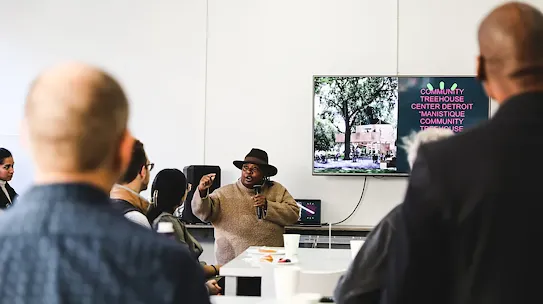
CIV:LABReducing local government emergency response coordination times across heat, flood, and infrastructure crises. Working with the cities of San Antonio and Cleveland.
-
Economy
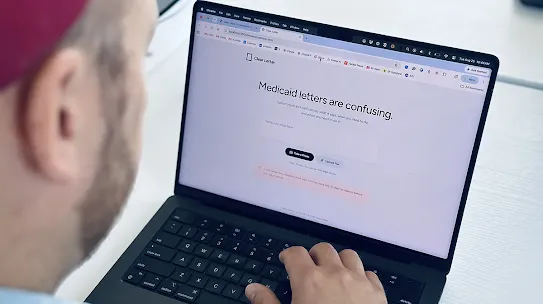
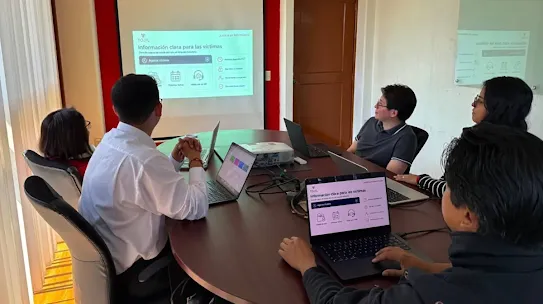
Clear LetterTurning confusing government letters into plain language explanations and actionable next steps. Working with state departments of health and human services.
-
Economy
Code for America LabsSpeeding up free tax filing for low-income households to get more dollars back into their pockets, working with IRS Stakeholder Partnerships, Education and Communication (SPEC) office.
-
Resilience
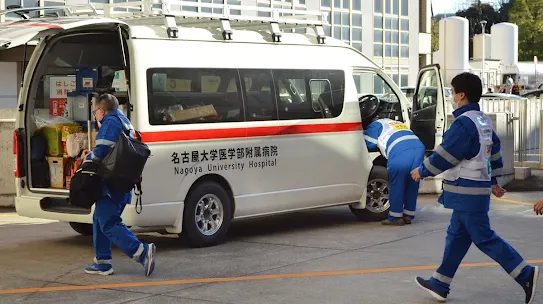
Disaster Mitigation Research Center, Nagoya UniversityMapping emergency medical supply and demand in real time to coordinate patient care during disasters. Working with Government of Japan, Aichi Prefecture, and Nagoya City across disaster management, public health, and welfare.
-
Health
FlexboneHelping caregivers and patients find affordable outpatient care regardless of insurance status, working with county and state departments of public health.
-
Health
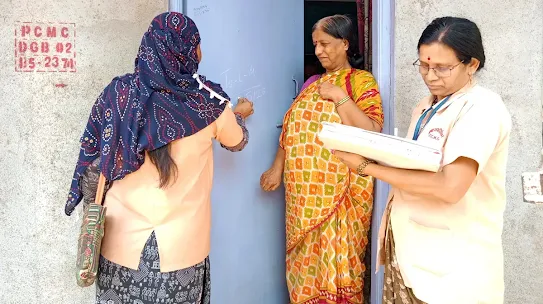
Froncort.AIGuiding frontline health workers to infectious disease clusters — like TB, malaria and dengue — that blanket campaigns miss. Working with India's Central TB Division (CTD) in the Ministry of Health and Family Welfare and the Maharashtra Directorate of Health Services.
-
Health
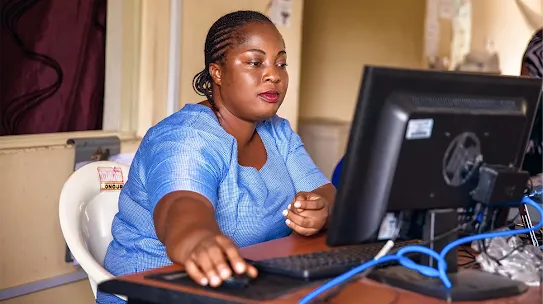
Helium Health FoundationHelping women identify early risks and access timely, specialized maternal healthcare. Working with the Lagos, Delta, Oyo and Kano State Governments in Nigeria.
-
Economy
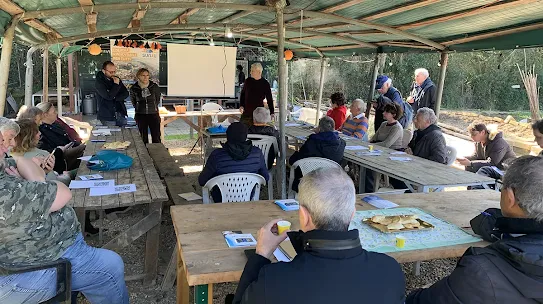
ICLEI EuropeEquipping municipal staff to serve as proactive community energy help desks. Working with the National Association of Italian Municipalities (ANCI Lazio), the Metropolitan Area of Naples Public Energy Agency (ANEA) and the Piedmont Energy Agency (Environment Park).
-
Economy
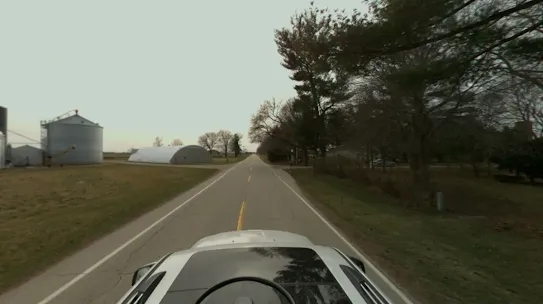
Illinois Association of County EngineersHelping rural counties optimize infrastructure resource management and improve road safety. Working with Boone, DeWitt, Hamilton, Iroquois Johnson, and Wayne counties in Illinois.
-
Economy
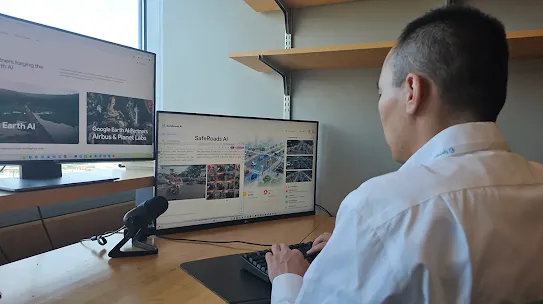
Johns Hopkins UniversityHelping municipal transportation departments make better road safety decisions and save lives. Working with municipal traffic departments.
-
Resilience
Khoch3 KlimaKartenHelping municipalities to more rapidly assess and implement climate resilience projects. Working with Germany’s state North Rhine-Westphalia and the City of Vienna.
-
Economy
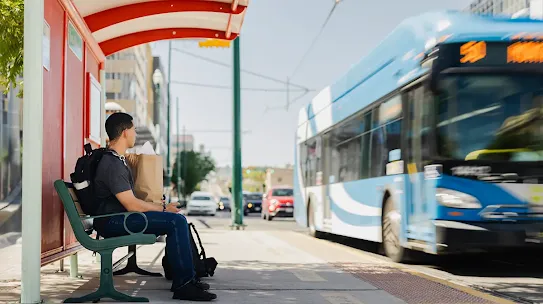
Massachusetts Institute of TechnologyUnifying real-time public transit feeds and operational data to improve service delivery and rider communications. Working with the Washington Metropolitan Area Transit Authority (WMATA).
-
Economy
TOJILClearing backlogs through streamlined, prosecutor-supervised case drafting and transparent case tracking for victims. Working with the Oaxaca State Prosecutor's Office in Mexico.
-
Resilience
University of Cincinnati Research Institute (UCRI)Predicting infrastructure failures to help emergency teams protect critical services like power grids and roads, and accelerate community recovery. Working with the U.S. Army Corps of Engineers (USACE).
-
Health
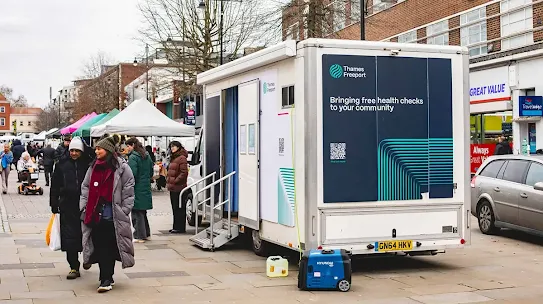
University of WarwickMapping disease risks and deploying mobile clinics to vulnerable areas for preventive screening interventions. Working with FourthSpace Labs, PUBLIC, Avencera, AiMSnet and Thames Freeport.